Cessna 172RG Rear RH Baffle Assembly
Cessna 172RG Rear RH Baffle Assembly
Blog Article
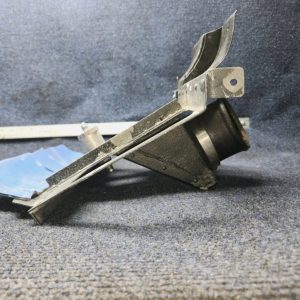
The Cessna 172RG Rear RH Baffle Assembly
A Cessna 172RG Rear Right-Hand Baffle may also be described as a Cessna 172RG Engine Baffle or Cessna 172RG Cooling Baffle when the position and part number remain clear.
The Cessna 172RG Baffle Assembly works with surrounding seals and panels, while the Rear RH Engine Baffle should not be evaluated as an isolated piece.
A Cessna Engine Cooling Baffle, Cessna 172RG Engine Compartment Parts package, Aircraft Cooling Air Baffle, and Cessna 172RG Airflow Baffle contribute to controlling how cooling air moves around the installed engine.
Whether marketed as an Engine Cooling Baffle here Assembly, Cessna Cutlass Cooling System Part, or Cessna 172RG Replacement Baffle, the component should receive individual inspection.
Identifying the Cessna 172RG Rear RH Baffle
Complete part-number verification reduces incorrect purchasing and unnecessary installation work.
The right-hand orientation and rear engine-compartment location should be verified before shipment or installation.
Function of the Rear Right-Hand Baffle
It works with adjacent metal baffles, flexible seals, cowling surfaces, fasteners, brackets, and engine components to form a coordinated cooling system.
A replacement component should restore the intended geometry without creating interference with cylinders, hoses, wiring, controls, exhaust parts, or cowling.
Avoiding Incorrect Baffle Substitution
Compatibility should be established through the exact aircraft model, serial number, engine installation, part number, baffle position, and applicable maintenance or parts information.
Mounting holes should not be enlarged or relocated casually to force alignment.
Understanding Formed Aluminum Cooling Panels
Formed contours help the baffle fit around the engine and connect with surrounding cooling-system components.
Small distortions may create air gaps, cowling interference, fastener misalignment, or stress around mounting points.
Aircraft Cooling Component Inspection
Areas near fasteners and vibration-prone attachment points deserve particular attention.
Cracks can begin near holes, bends, notches, bracket ends, and areas where the sheet metal has been repeatedly flexed.
Cessna Cooling Air Seal Replacement
Accurate seal information helps buyers calculate the complete repair requirements.
Seal overlap, direction, clearance, and edge contact should be checked after installation.
Managing Moisture and Chemical Exposure
Corrosion inspection should address exposed surfaces, overlapping joints, fastener areas, lower edges, brackets, and locations where moisture or contaminants can collect.
Responsible corrosion prevention supports long-term component value.
Maintaining Secure Baffle Connections
Cracks often begin near holes, corners, bends, bracket ends, and areas affected by vibration or forced alignment.
Fastener type, diameter, grip, spacing, and installation method should correspond with applicable data.
Managing Engine Baffle Parts Inventory
A rear-baffle replacement may require adjacent baffles, seals, brackets, clips, fasteners, retainers, supports, and cowling-related components.
Damage can vary across components exposed to the same vibration, heat, accident, or storage environment.
Baffle-Related Temperature Problems
Unexpected engine temperatures should be investigated through a structured review of instrumentation, engine condition, airflow, baffles, seals, cowling, operation, and environmental factors.
The condition of cylinder fins, oil cooler airflow, hoses, ignition timing, induction, exhaust, and other engine systems may also influence operating temperatures.
Cessna Baffle Repair Considerations
A localized defect may be repairable, while widespread cracking, severe corrosion, or distorted geometry may support replacement.
Repairs should preserve the intended contour, mounting locations, clearances, seal attachment, and airflow boundary.
Evaluating a Used Aircraft Cooling Baffle
Honest listings reduce disputes and strengthen buyer confidence.
Dimensions and detailed photographs should be supplied before shipping arrangements are finalized.
Cessna 172RG Baffle Buying Checklist
A pre-purchase review should confirm P/N 2455038-2, donor-aircraft details, model and serial applicability, engine configuration, dimensions, material condition, repairs, included seals, brackets, hardware, and documentation.
- Confirm the complete part number, donor-aircraft model, donor serial number, rear right-hand position, engine configuration, modification status, and available traceability.
- Do not treat clean paint, straight appearance, or donor-aircraft history as proof of current serviceability.
- Report freight damage, missing pieces, dimensional differences, undisclosed repairs, corrosion, or identification discrepancies promptly.
Shipping and Storing the Rear RH Baffle
Padding should prevent direct contact with hard surfaces without trapping damaging moisture.
During storage, the component should remain supported in its natural shape rather than leaning under loads that may cause distortion.
Professional Engine Baffle Installation
The engine compartment should be inspected before the replacement component is positioned permanently.
Protective finishes and seal materials should be compatible with the intended engine-compartment environment.
P/N 2455038-2.
Maintaining the Cessna 172RG Cooling System
Small cracks, loose fasteners, failed seals, and finish damage should be evaluated promptly.
Recurring cracks or loose attachments should prompt investigation of vibration, alignment, and supporting hardware.
Buying a Rear Right-Hand Engine Baffle
The Cessna 172RG Rear RH Baffle Assembly
Aviation maintenance personnel should evaluate the assembly before repair, alteration, installation, or operational release.
Whether the requirement is a Cessna 172RG Rear Right-Hand Baffle, Cessna 172RG Engine Baffle, Cessna 172RG Cooling Baffle, or Cessna Cutlass Engine Baffle, exact identification should guide the purchase.
With prompt attention to cracks, corrosion, fasteners, seals, brackets, clearances, protective finishes, and surrounding components, the installation can preserve its condition and functionality.
Report this page